
Cups of Joy: A Theology of Wine
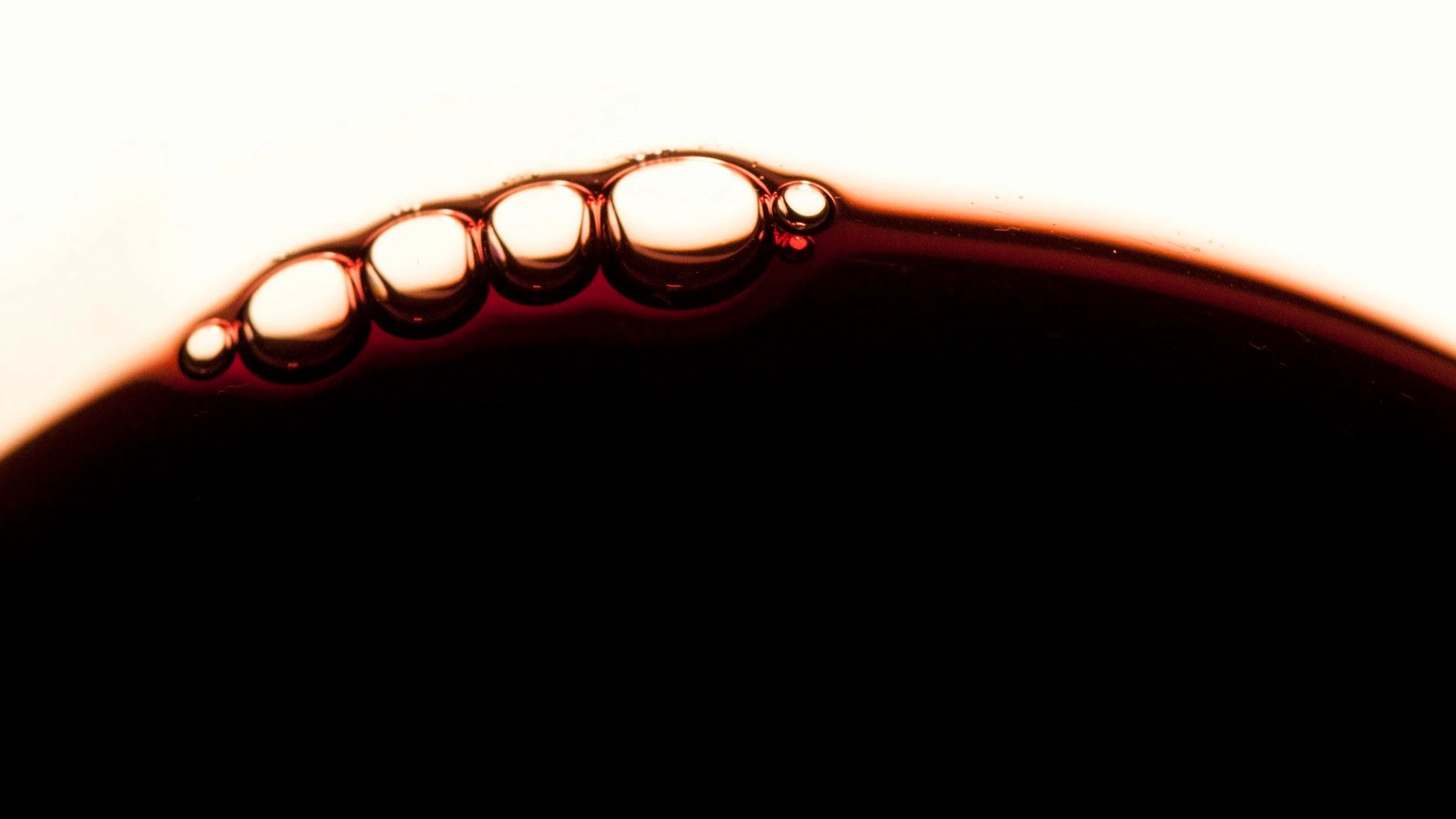
Recently, I had the joy of offering a series of short devotionals at Brengman Family Wines for a “Blessing of the Vines” event. It was a beautiful day filled with good wine, good food, good conversation, and good reminders of the God who made all good things. What follows is a theology of wine—not exhaustive, of course, but an invitation to joy. Full tables, full bellies, full cups, and full hearts are gifts from God.
On Hospitality: Around the Table
First, I want to thank Ed and Robert Brengman for the invitation, as well as Jerry and Crazy Grandma. You all are so kind, generous, and welcoming—all of which are virtues we do not see too often anymore.
While we gathered to focus on the wine, which we love, I think it is important to recognize there is an even greater reason people love this winery specifically. If it were about wine alone, you probably would not care enough to spend a Saturday there. It is more than the wine, isn’t it? It is the friendships that have formed, the community that has been built, the family that many have found. The word for this is hospitality.
1 Peter 4:9 says, “Show hospitality to one another without grumbling.” The word behind hospitality is philoxenia—love of the stranger. Maybe you have heard of the opposite word: xenophobia, fear of the stranger. Xenophobia keeps the stranger away. Hospitality brings the stranger near.
What I want to highlight is the importance of practicing hospitality. People move from stranger to friend to family. Many have experienced this around the table, learning about one another’s lives. We experienced hospitality that day as we walked around, drank and ate, and talked. And in a world that is so quick to argue or block or cancel, this is a little glimpse of the kind of love that God wants us to have. But 1 Peter does not merely say to have hospitality. It says to show it. We are to show hospitality to one another.
Hospitality is actually the opposite of selfishness. When we are selfish, we hold onto things tightly. We are greedy, not generous. We are cold, not warm. We are standoffish, not welcoming. Hospitality sounds simple until we realize how naturally we drift inward. We protect our time, our space, our preferences, our people. But Jesus keeps pushing us outward—to give, to welcome, to make room.
Jesus says, “It is better to give than to receive,” “The last shall be first,” and “Count others more significant than yourselves.” These are countercultural ways of living, but they are exactly how Jesus lived and commanded Christians to live.
The reason hospitality is so important is because it reflects how Jesus invites us into relationship. All mankind has sinned and is separated from a holy God. Not only are we strangers to God, but the Bible says we are actually enemies of God. I am not sure what you know about the Bible or religion, but I think we can all agree that being enemies with God is a really crappy place to be.
But Jesus was not xenophobic toward us. No, because of his great love for us, he came down to earth. He took on a body to become like us. He lived a perfect life without sin. He died on the cross in our place. And he rose from the grave victoriously over death and hell.
Jesus did not hate the stranger. He loved the stranger so much that he offers us forgiveness of sin and eternal life. He welcomes us into his home and gives us a seat at the table. We can enjoy friendship with God.
So, thank you, Brengman Family Wines, for showing off the love of Jesus every time you welcome people in and make them feel at home.
The God of Life and Fruit and Wine
As you look around a vineyard, think about what that land was like 100 years ago. Then think further back—1,000 years ago, 10,000 years ago, all the way back to the beginning.
Genesis begins with God creating all things. On the third day, God made the trees, plants, and fruit. And it was good. As you consider all that God has made, it is obvious that he did not make it boring or basic.
God did not merely make “plants.” He made vines, cedars, oaks, palms, wheat, and lilies. He did not just make “fruit.” He made oranges, bananas, mangoes, berries, apples, and peaches. He did not merely make “grapes.” He made different kinds of grapes, with different colors, flavors, textures, and notes.
He could have made one kind of tree, one kind of flower, one kind of fruit, one shade of blue, one taste, one smell, one sound. But he didn’t. He made aqua, navy, royal, and powder blue. He made mountains and valleys, rivers and vineyards, dogs small enough to fit in your lap and dogs big enough to take up the whole couch. He filled the world with variety because he is creative, generous, and glorious.
Creation is good because God made it good. The fruit of the vine is good. The labor of cultivation is good. The joy of harvest is good. The sweetness of community is good.
The French theologian, John Calvin, once wrote, “There is not one blade of grass, there is no color in this world that is not intended to make us rejoice.” That means every vine in the field, every cluster of grapes, every change of season, every good taste and aroma is meant to stir gratitude in us.
God is the God of life, fruit, vines, wine, mankind, and joy. Genesis says that God made all these things, and they are good. God’s goodness in creation is not only seen in the fact that he made plants, but in the fact that he made all kinds of plants. He made all kinds of grapes and grain to make both wine and whiskey.
In fact, Isaiah 27:2–3 goes further by saying, “In that day, ‘A pleasant vineyard, sing of it! I, the LORD, am its keeper; every moment I water it. Lest anyone punish it, I keep it night and day.’”
God is not just the Creator of the vine. He is also a vinedresser. Isn’t it wonderful that God describes himself as the one who waters, tends, and keeps the vineyard?
So when we bless the vines, we are not worshiping creation. We are thanking the Creator. We are asking the God who made the vine to bless the vine. We are asking the God who made fruit good to make this fruit abundant. And we are asking that every good gift enjoyed here would lead us back to the Giver.
May these vines be fruitful. May this land be blessed. May this work be good.
“Whether you eat or drink, or whatever you do, do all to the glory of God.” (1 Corinthians 10:31)
Being Crushed to Death: Grapes, Jesus, and You
It is impossible to make wine without crushing grapes.
Why do you think God made it that way? He could have made it like sap from trees or milk from a cow. But grapes, like other fruit, need to be crushed.
At the risk of killing the vibe, it is a fact of life that we all go through moments of suffering. We all face terrible and painful things. The question is: what will the crushing produce?
Scripture gives us several answers: James 1 says trials produce steadfastness. Romans 5 says suffering produces endurance, character, and hope. 2 Corinthians 1 says affliction produces trust in God.
Why bring this up at a vineyard? Because God designed the world full of lessons. And if you slow down to pay attention, you will see them. The crushing of a grape to produce juice, and the patience needed to produce wine, is a lesson for life. For example, I hate being sick, but it makes me appreciate my health more. Being lonely makes me appreciate friends. Being hungry makes me appreciate food. And being crushed can make you appreciate being healed.
Isaiah 53:5 says, “[Jesus] was pierced for our transgressions; he was crushed for our iniquities; upon him was the chastisement that brought us peace, and with his wounds we are healed.”
Not only are grapes crushed to produce wine, but Jesus was crushed to bring us peace and healing. The good news is that Jesus died so that, when we place our faith in him, we can live.
So the next time you go through something difficult, consider pouring yourself a glass of wine. And as you enjoy the fruit of those crushed grapes, consider what God may be producing in you as you feel the pressure and the pain.
Jesus promises that one day, all who place their faith in him will be made new. There will be no more tears or death. No more sorrow or suffering.
Or as Samwise Gamgee, my favorite hobbit, said: “Everything sad will come untrue.”
A Full Cup of Joy: How Wine Is a Blessing
A glass of wine is like a cup of joy.
Psalm 104:14–15 says, “You cause the grass to grow for the livestock and plants for man to cultivate, that he may bring forth food from the earth and wine to gladden the heart of man, oil to make his face shine and bread to strengthen man’s heart.”
Bread is eaten, and it strengthens man. Oil is rubbed on, and his face shines. Wine is drunk, and his heart is gladdened. There is a natural effect wine has on a person to make them happy. And while many abuse this by over-drinking, and some miss this by avoiding wine altogether, it remains true that God created wine to be received and enjoyed.
The Christian view of joy is not that earthly pleasures are bad and spiritual things alone are good. That is not Christianity. God made the earth. God made bodies. God made taste buds. God made grapes and soil and sunshine and tables and laughter. So, the goal is not to enjoy God instead of his gifts, as if his gifts are competitors to him. The goal is to enjoy God through his gifts.
One of my favorite pastors, John Piper, has said, “God is most glorified in us when we are most satisfied in Him.” That means joy is not just the cherry on top. It is the sugar all throughout the cake. Joy is part of worship. When we receive God’s gifts with thanksgiving, and when those gifts make us love God more, the gift has done exactly what it was made to do.
The danger is not that we enjoy created things too much. The danger is that we enjoy them too little, or wrongly, or apart from God. Contrary to popular thought, sin does not make us too happy. Sin makes us settle for shallow happiness. Sin ruins good things. Wine is a blessing, but drunkenness is sin. The same cup that can gladden the heart can also enslave the heart.
In actuality, we do not need wine. We need God. But the God we need is the kind of God who gives wine. How kind of God. Many of us know that the first miracle of Jesus was turning water into wine at a wedding. Not a little wine, but an abundance. Not cheap wine, but excellent wine. Not to be stared at, but to be enjoyed.
The Bible is full of feasting. It is full of harvests, festivals, and weddings. And one day, history will end with a feast. Isaiah 25 says the Lord will prepare “a feast of rich food, a feast of well-aged wine.” Death will be swallowed up. Tears will be wiped away. Shame will be removed. The curse will be gone. And all who belong to Christ will sit at the table of God with joy that never runs dry.
Jesus says in John 10, “The thief comes only to steal and kill and destroy. I came that they may have life and have it abundantly.” Not only do we have eternal life in Christ, but abundant life. A full life. A good life. That is what Jesus offers.
So may every glass be full, every belly full, every table full, and every heart full. May all of the good gifts, like wine, lead us to the Giver of those gifts.
And may God bless you with joy, friendship, forgiveness, and life.