
11 Books for #America250
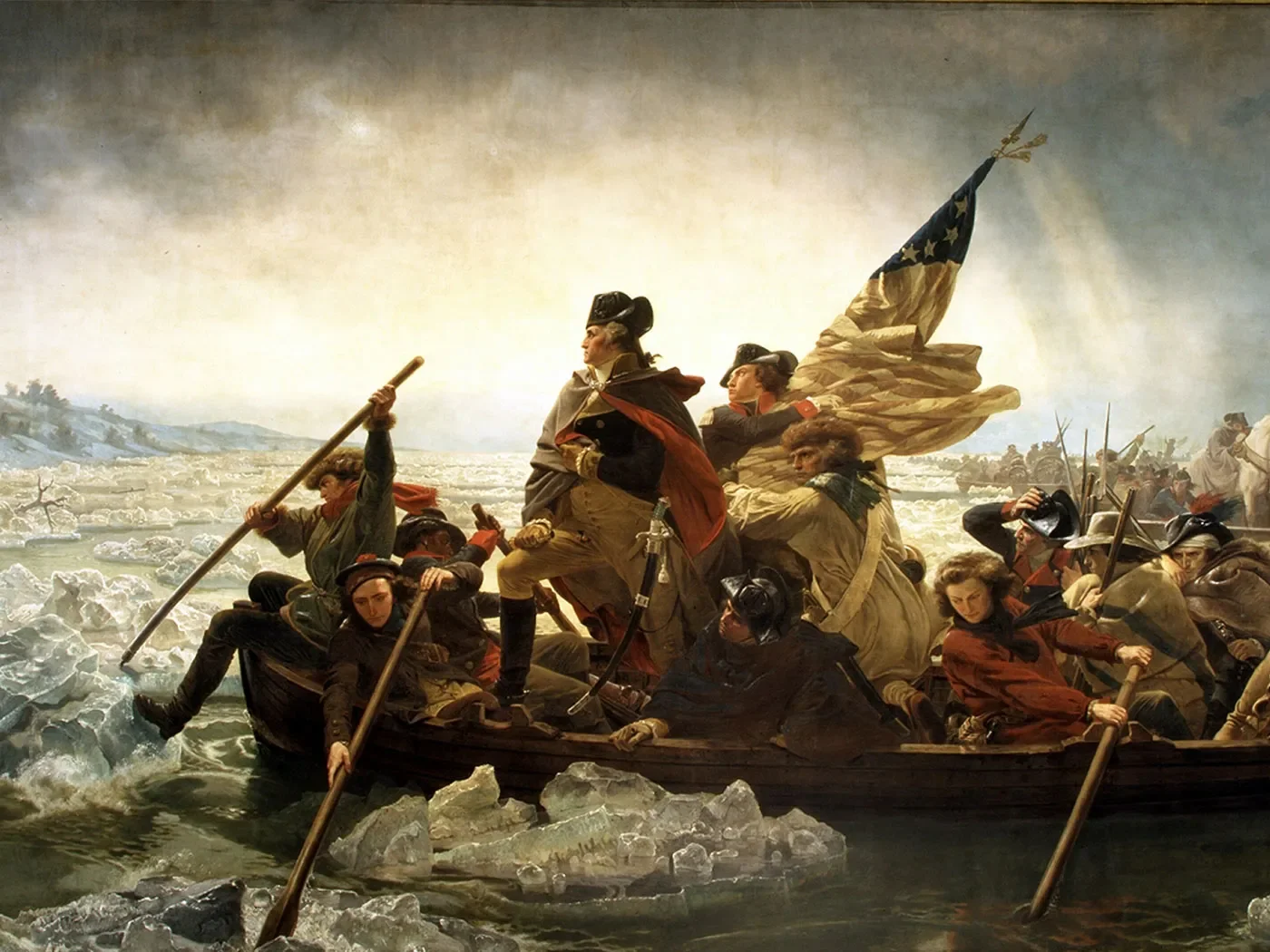
America turns 250 this year, and these eleven books are some of the best I'd recommend to anyone wanting to understand how the nation came to be and what role Christianity played in its founding. The books below are arranged as a rough chronology: from the Puritan settlers, through the ideas and events that shaped the Revolution, to the founders themselves, and finally to the world that 1776 produced. Some are celebratory, some more critical. Read together, they offer a fuller and more honest picture than any single one could.
Read on, friends.
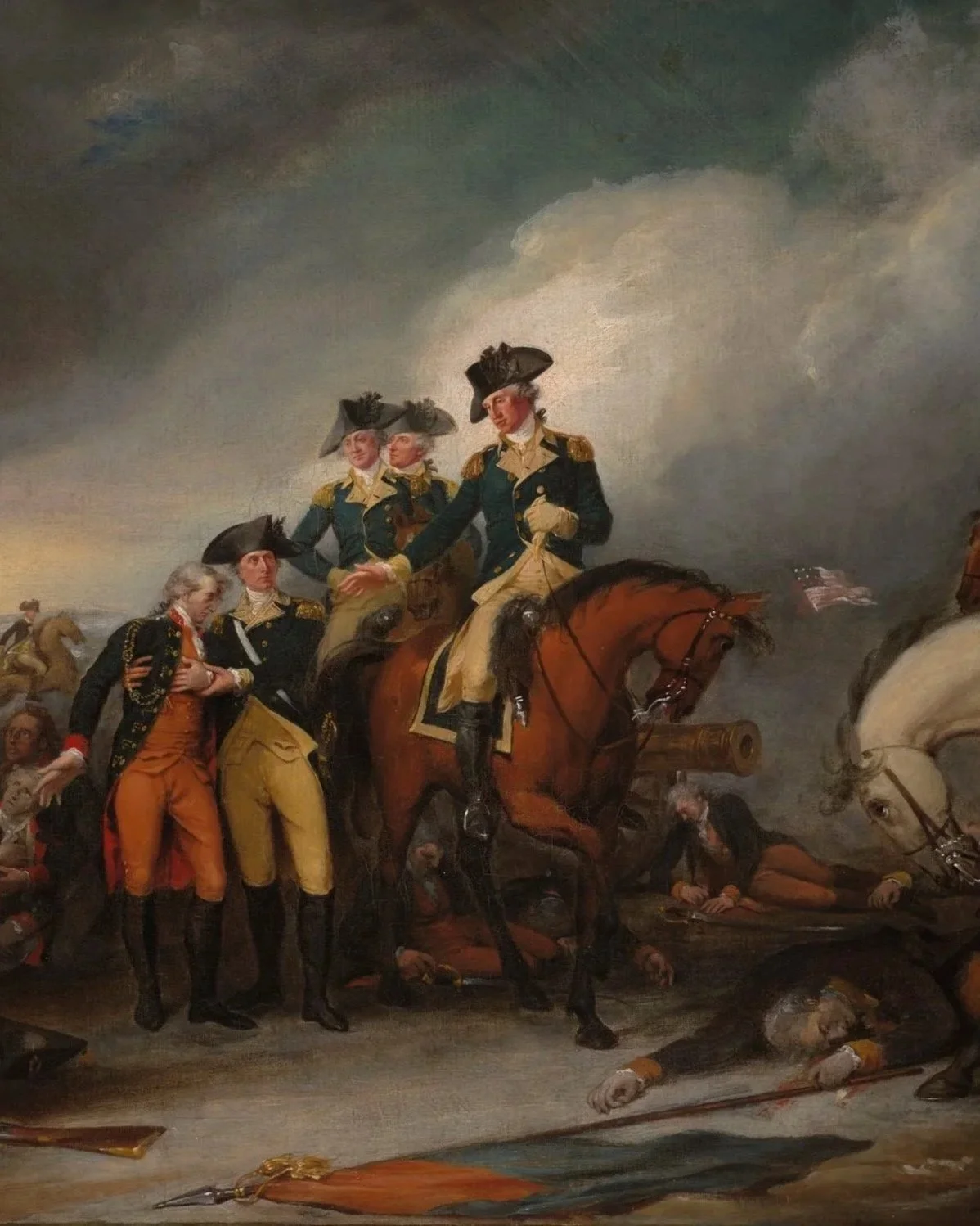
1. 1776 by David McCullough
A narrative account of the pivotal first year of the War for Independence. McCullough follows the struggling Continental Army and George Washington through a series of setbacks and narrow escapes that determined the fate of the Revolution.
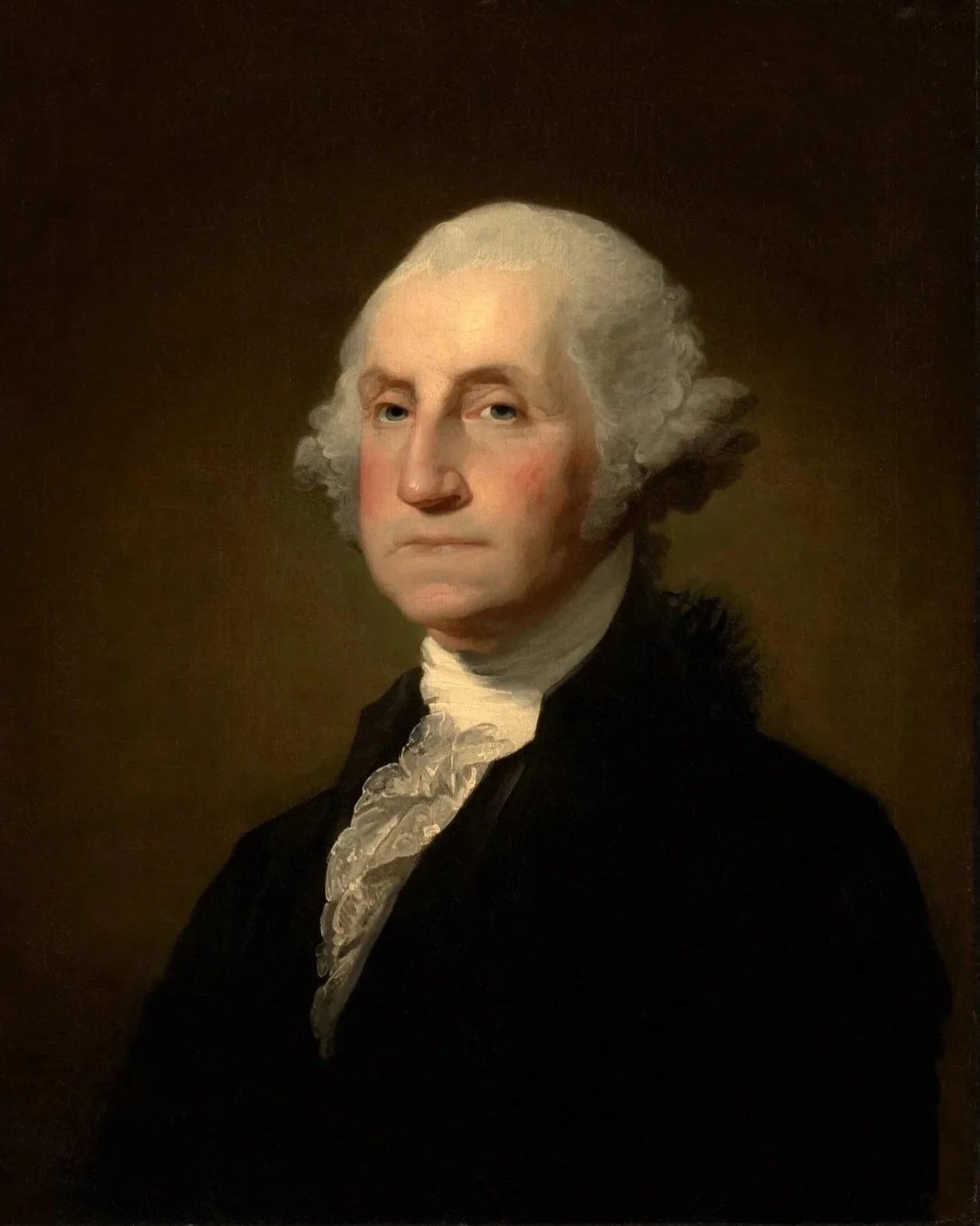
2. Washington: A Life by Ron Chernow
A comprehensive one-volume biography of George Washington. Chernow presents a full and human portrait of the man—his ambition, self-discipline, and awareness of his own public image—behind the national icon.
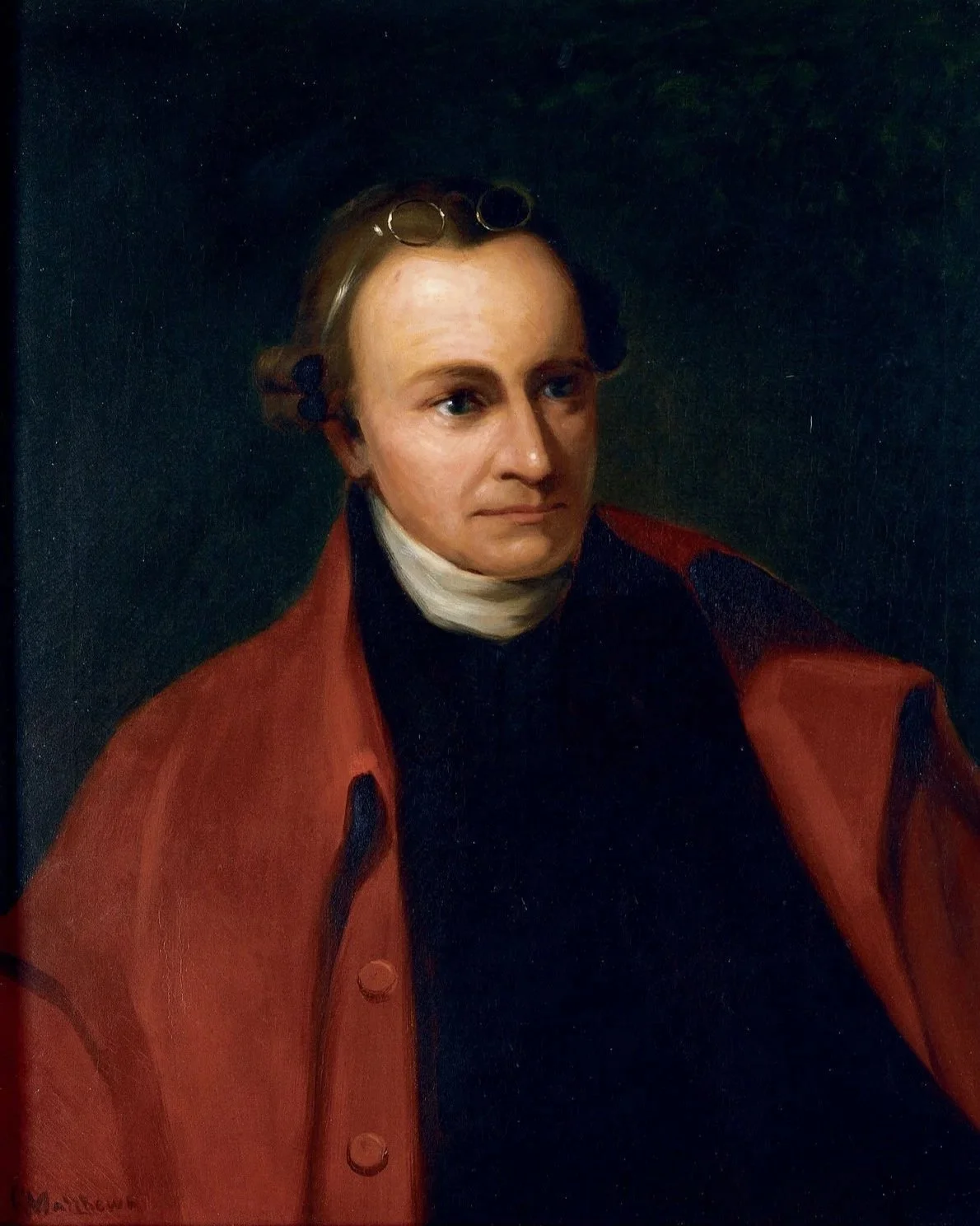
3. Patrick Henry: First Among Patriots by Thomas Kidd
A biography of the revolutionary orator known for "give me liberty or give me death." Kidd presents a more complex and devout figure than the slogan suggests, including his later opposition to the Constitution.
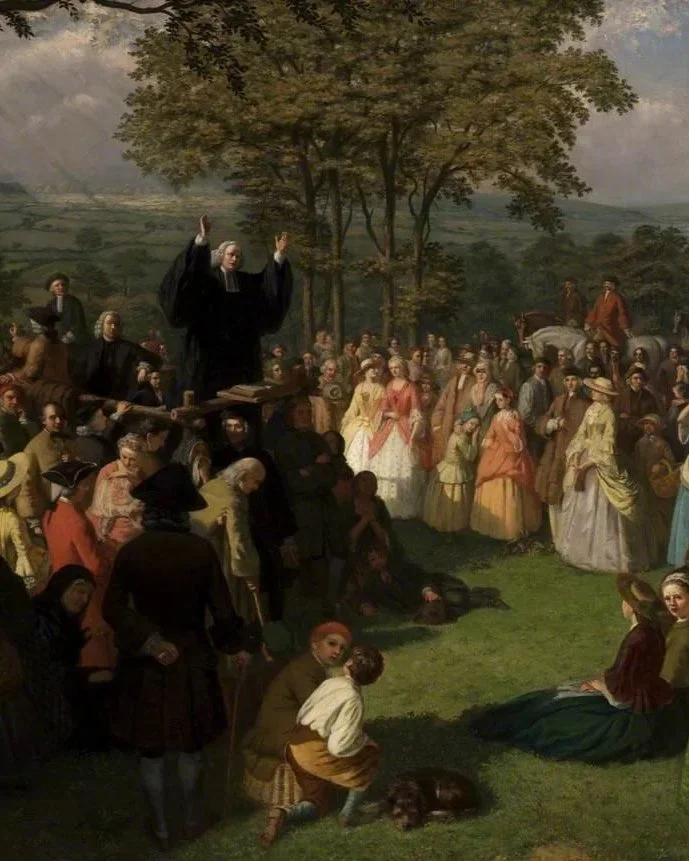
4. God of Liberty: A Religious History of the American Revolution by Thomas Kidd
A religious history of the American Revolution. Kidd shows how deists and evangelicals, despite deep differences, united around shared principles of liberty and virtue, and how faith functioned in the founding era.
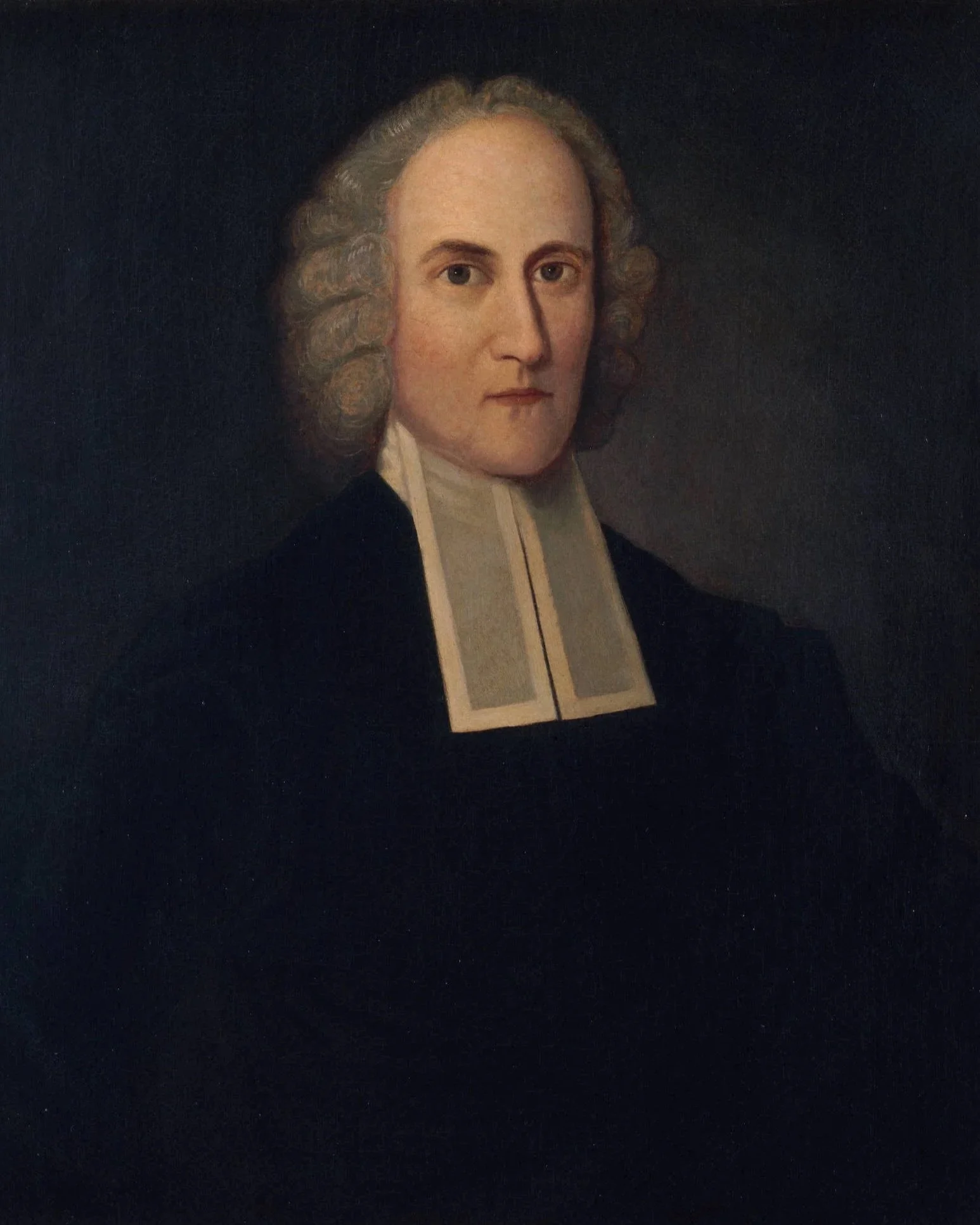
5. The American Puritans by Dustin Benge
An accessible introduction to the leaders of Puritan New England—Bradford, Cotton, Mather, and others. Benge blends history and devotion to recover the piety and God-centered vision of the movement that shaped the moral foundations of early America.
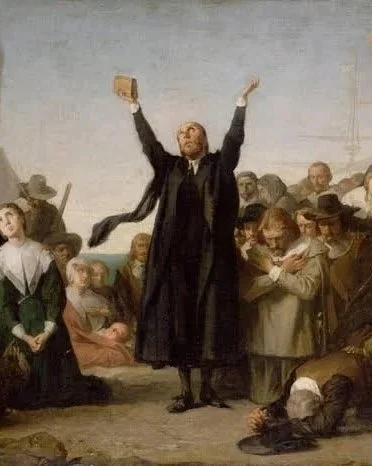
6. Distinguishing Marks of a Work of the Spirit of God by Jonathan Edwards
Edwards's careful defense of the Great Awakening, written to distinguish genuine works of the Holy Spirit from mere emotional excess. The revival it describes shaped the religious imagination of the generation that would soon found a nation.
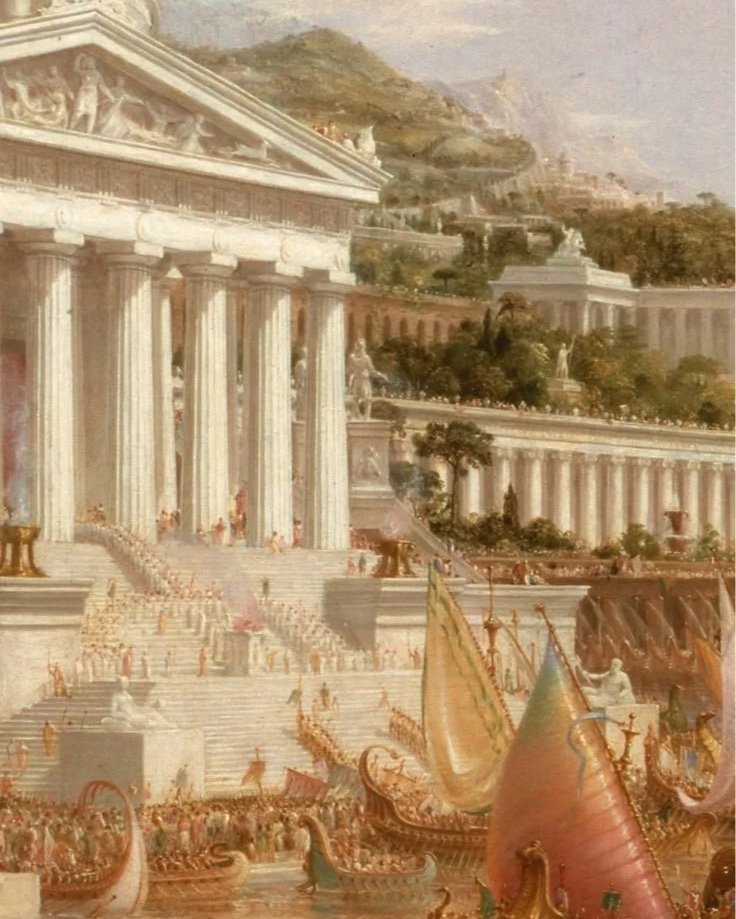
Ricks examines the classical education of Washington, Adams, Jefferson, and Madison, showing how the Greek and Roman writers they read shaped their ideals of virtue, government, and public duty—and, in turn, the character of the new republic.
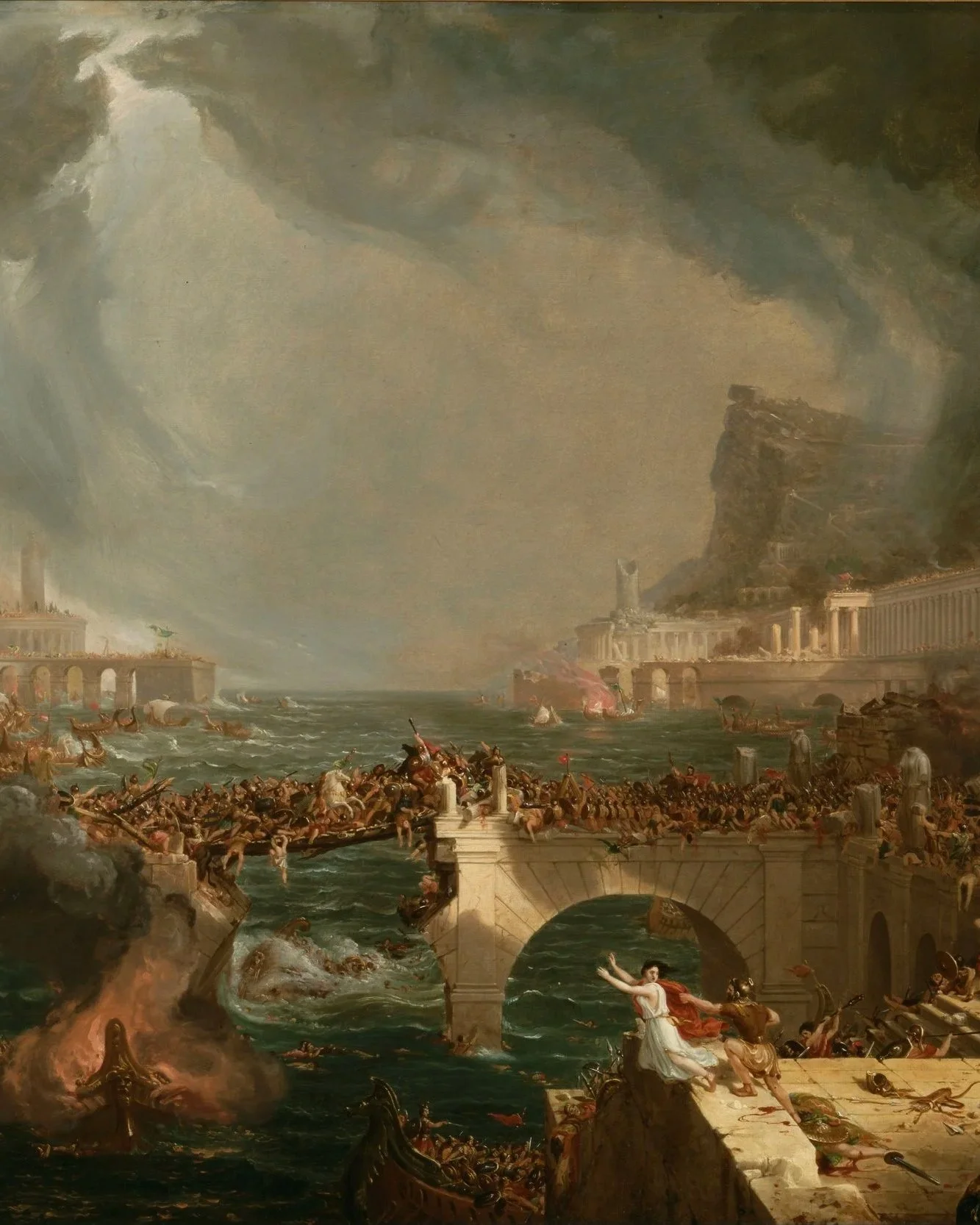
8. Slaying Leviathan: Limited Government and Resistance in the Christian Tradition by Glen Sunshine
Sunshine offers a readable tour of Christian political thought, from Augustine through the Reformers to the American Founders, focused on resisting unlawful authority and the goodness of limited government. He recovers a long, often-forgotten tradition asking when and how believers may say "no" to the state to say "yes" to Christ.
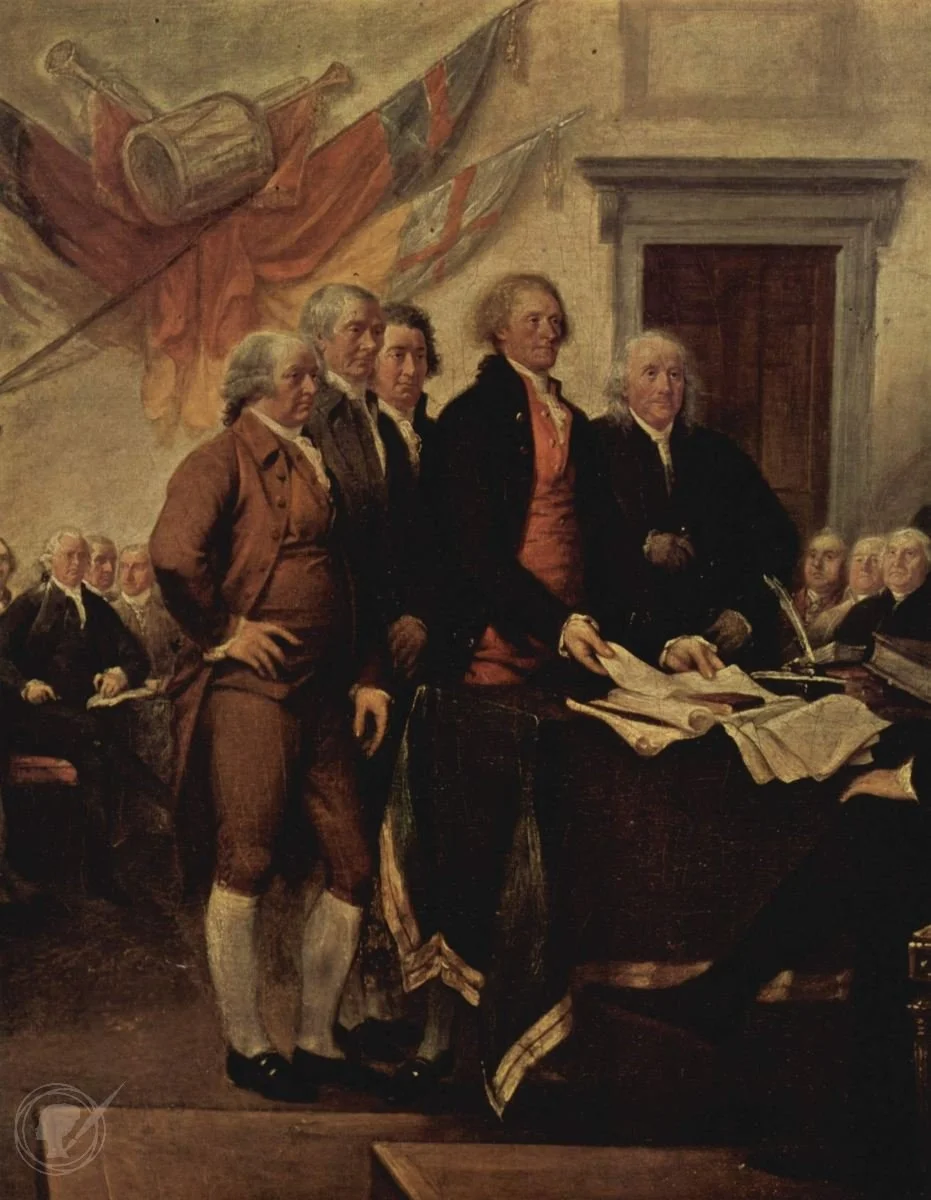
9. The Greatest Sentence Ever Written by Walter Isaacson
A focused study of the Declaration of Independence's second sentence—"We hold these truths to be self-evident." Isaacson traces how the words were drafted, debated, and revised, and why they have carried such enduring meaning.
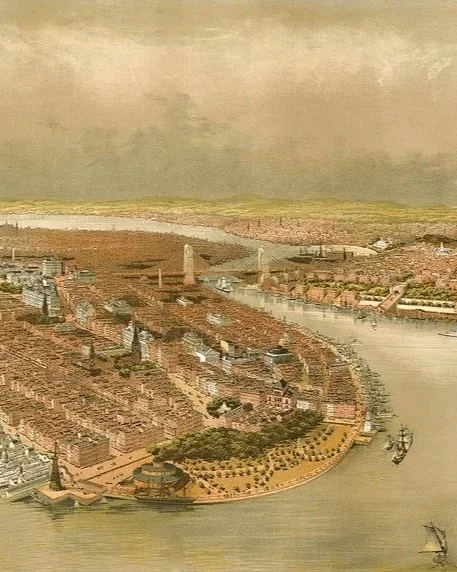
10. Taking Manhattan: The Extraordinary Events That Created New York and Shaped America by Russell Shorto
The story of the 1664 Dutch surrender of New Amsterdam to the English. Shorto argues that the pluralist, commercial, and independent spirit later associated with America was first forged in this early colonial handoff.
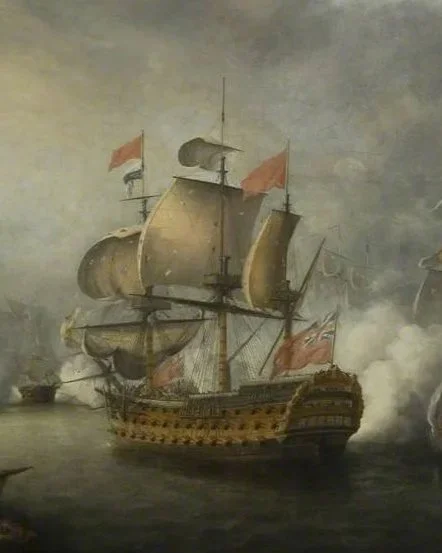
11. Remaking the World: How 1776 Created the Post-Christian West by Andrew Wilson
Wilson argues that seven transformations converging around 1776—including the Enlightenment, industrialization, and the American Revolution—produced the modern, increasingly post-Christian West. He closes by considering how Christians might live faithfully within it.