

Obligatory Qualifier
While I endeavored to make a Top 10 list, l evidently failed. Instead, here are twenty of my favorite books from 2025. These encouraged me, challenged me, taught me, corrected me, and inspired me. This isn’t an endorsement for any particular author (though there are some great ones herein) but these books are a few of the most edifying ones from the last year.
Every year has emphases and themes that make a topic more or less interesting to me. This year’s theme is church and politics. Next year might look different (perhaps counseling or history). Further qualification: This list doesn’t include Scripture, of course, though I drank deeply from that Sacred Well. Or resources like commentaries and references books.
The following books are chronicled in alphabetical order by author’s last name. Three books are marked as unfinished because, well, they are still in progress. But since they are such substantial and beneficial, they will most likely be in next year’s list as well.
Read on, friends.

1. Consider the Lillies: Finding Perfect Peace in the Character of God by Jonny Ardavanis
This is a book about anxiety, fear, and the character of God. It is not a pop psychology book with a thin layer of Christianese. It is a richly pastoral, Scripture-soaked invitation to hand your worried heart to God to comfort you. He shows how the Lord consistently answers our panic not with platitudes but with His own attributes. This is a gentle but serious reminder to trade obsessive self-inspection for steady gazing at our Father.

2. The City of God by Augustine (Unfinished)
This book is a fundamental political book. Augustine writes in the shadow of Rome’s fall to answer pagans who blamed Christianity and to steady Christians who were shaken. He presents two cities—the City of Man and the City of God—intertwined in history but heading toward very different ends. He covers politics, evil, time, history, judgment, and happiness, all to re-anchor the church in God’s sovereign story. It’s long and demanding, but it permanently recalibrates how you see nations, news cycles, and the future.
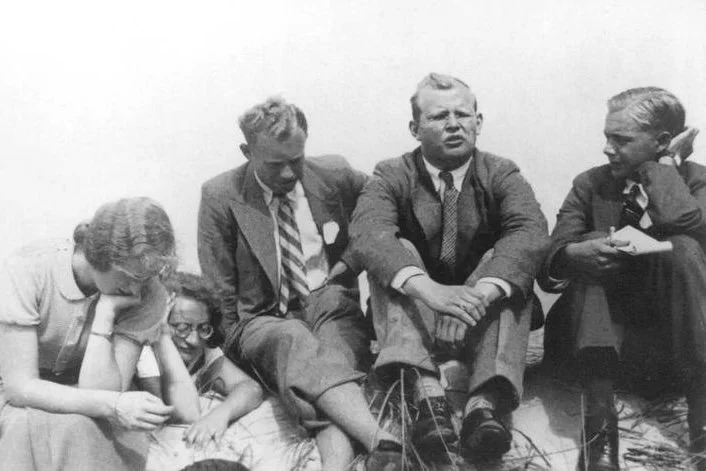
3. Life Together by Dietrich Bonhoeffer
Written out of an underground seminary under the Nazi Invasion, Bonhoeffer’s little classic is a theology of biblical community. He walks through shared worship, Scripture, confession, service, and even being alone as essential to being together. He’s brutally honest about “wish-dream” community—our idealized version of church that we must let die if we’re going to love the real people God gives us. Mind blowing stuff. Every pastor and member who reads this will feel both convicted and refreshed about what life in the body is meant to be.

4. Institutes of the Christian Religion by John Calvin (Unfinished)
It’s unfortunate that many critics of Calvin have never actually read him. The Institutes were written as instruction for ordinary Christians who wanted to know God better. Yes, it’s a magnum opus of Protestant theology—but it’s also strikingly pastoral. Again and again, Calvin presses doctrine down into worship, humility, and obedience. This is a lifetime book: one to read slowly, revisit often, and allow to shape the very framework of your theology. J.I. Packer calls Calvin’s Institutes “one of the wonders of the literary and theological world” and I agree.

5. Washington: A Life by Ron Chernow
Reading this book is like watching a statue come to life. Despite the towering caricature, we meet a complex, disciplined, painfully self-aware man learning to carry the weight of a nation. In this biography, I learned so much about the paradoxical life of Washington. George was a serious and sweet man; a tender brother and a rough son; a British soldier and a colonial patriot; a stoic leader and a vision-caster. It’s not a quick read (900+ pages) but it is an easy one.

6. Redemption Song: A Primer on Singing for the People of God by Sean DeMars
Our pastoral team read this together, and I’m glad we did. Redemption Song is a brief but rich primer on what it means for God’s people to sing with intention, affection, and theological clarity. DeMars moves us past the “contemporary versus traditional” debates and into the heart of worship. Singing isn’t a warm-up for the sermon—it is central to the gathering of the saints, the glory of God, and the proclamation of the gospel. This book left me more mindful of why we sing, how we sing, and the One we sing to.
7. What is a Healthy Church? by Mark Dever
I think every Christian should read this. Dever defines a healthy church as a congregation shaped by the gospel—sound preaching, active membership, discipline, discipleship, and evangelism—rather than by programs, preferences, or personalities. The book is blunt in the best way: if Scripture calls something essential, churches don’t get to treat it as optional. It gave me fresh language and renewed conviction for what we’re actually aiming at when we “do church” week after week. I’m having all future elders read this.
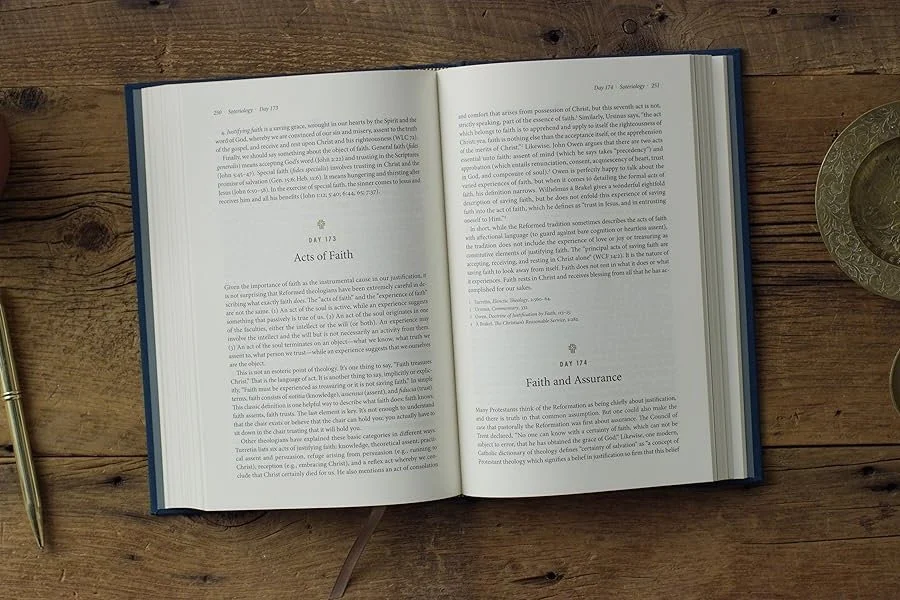
8. Daily Doctrine: A One-Year Guide to Systematic Theology by Kevin DeYoung (Unfinished)
Daily Doctrine is a rich theology overview in short, accessible readings. DeYoung walks through core doctrines—God, Scripture, Christ, salvation, the church, the culture, and last things—without assuming a seminary background. It is heady, so don’t expect a lighthearted read, but it’s perfect for personal devotions, elder training, or a church-wide study. This book raises a church’s theological temperature in the best way.
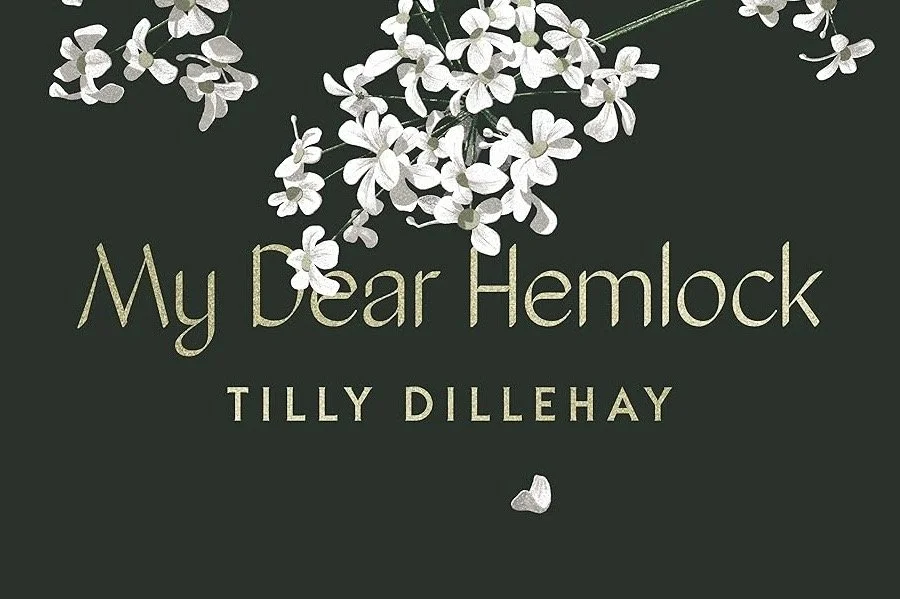
9. My Dear Hemlock by Tilly Dillehay
Dillehay takes C.S. Lewis’ The Screwtape Letters and reimagines it through letters between demons targeting a Christian woman. The writing is sharp, witty, and brutally honest. In a world of enabling and coddling, this book is refreshingly direct. Any woman would benefit from reading it. As a pastor, I wanted to read the book I recommend to others, and I’m glad I did—not only do I better understand how God designed women, but I also see sinful temptation and spiritual warfare more clearly.

10. From Eden to Egypt: A Guided Tour of Genesis by Alex Duke
Duke walks us through Genesis—from Adam to Abraham, Jacob to Joseph—showing that every story is there on purpose and all of it drives the biblical storyline forward. It’s written for “commentary-shy” Christians: simple but profound, funny but serious. Great companion for preaching, reading plans, or small groups. It was invaluable to me as I preached through Genesis this year. I pray Alex writes more in this tone. If you enjoyed, check out his podcast called Bible Talk with Sam Emadi and Jim Hamilton (one of my favorite living theologians).

11. The Freedom of Self-Forgetfulness: The Path to the True Christian Joy by Tim Keller
This has become an annual read. One of my favorites. This tiny book is Keller at his pastoral best. He argues that the gospel doesn’t boost self-esteem or destroy it; it sets you free from obsessing over yourself at all. Keller calls it “gospel humility”—not thinking less of yourself but thinking of yourself less. In an age of constant self-obsession and self-loathing, this little booklet is a gentle rebuke and a deep breath. It’s short enough to read in one sitting.

12. Mere Christianity by C.S. Lewis
A classic. I’m rereading this for our church’s men’s book club. Lewis starts with something as ordinary as our sense of right and wrong and, masterfully reasons his way to the core claims of Christianity. Along the way he teaches on sin, repentance, the atonement, the Trinity, and Christian living with that blend of logic and imagination. It’s not a systematic theology; it’s more like you’re getting coffee (or tea) with him. Every time I revisit it, I’m reminded that the Christian faith is both intellectually sturdy and deeply beautiful.

13. The White Horse King: The Life of King Alfred the Great by Ben Merkle
Merkle tells the story of Alfred the Great like a true adventure—Viking raids, near-collapse, unlikely comeback, and quiet reform. Alfred goes from hunted fugitive in the marshes to the king who pushes back the heathen armies and establishes foundation for English law, learning, and worship. I finished the book newly grateful for how God uses battered, outnumbered leaders to preserve a people and protect the faith. What a scholarly and Christianly take on the only king that the Royal Family attributes “the Great” to.

14. Eve in Exile: The Restoration of Femininity by Rebekah Merkle
There is a difference between femininity and feminism—that much is clear. Merkle doesn’t just critique feminism; she walks through its “waves,” exposes the half-truths, and then rebuilds a positive, joyful vision of biblical femininity. Her basic claim: women are made for glory—in the home, in work, in culture—not for boredom or ornament. It is confident, witty, and unapologetically countercultural. You won’t agree with every line, but you will be forced to think critically and biblically. It helped me better honor the design and purpose of women.
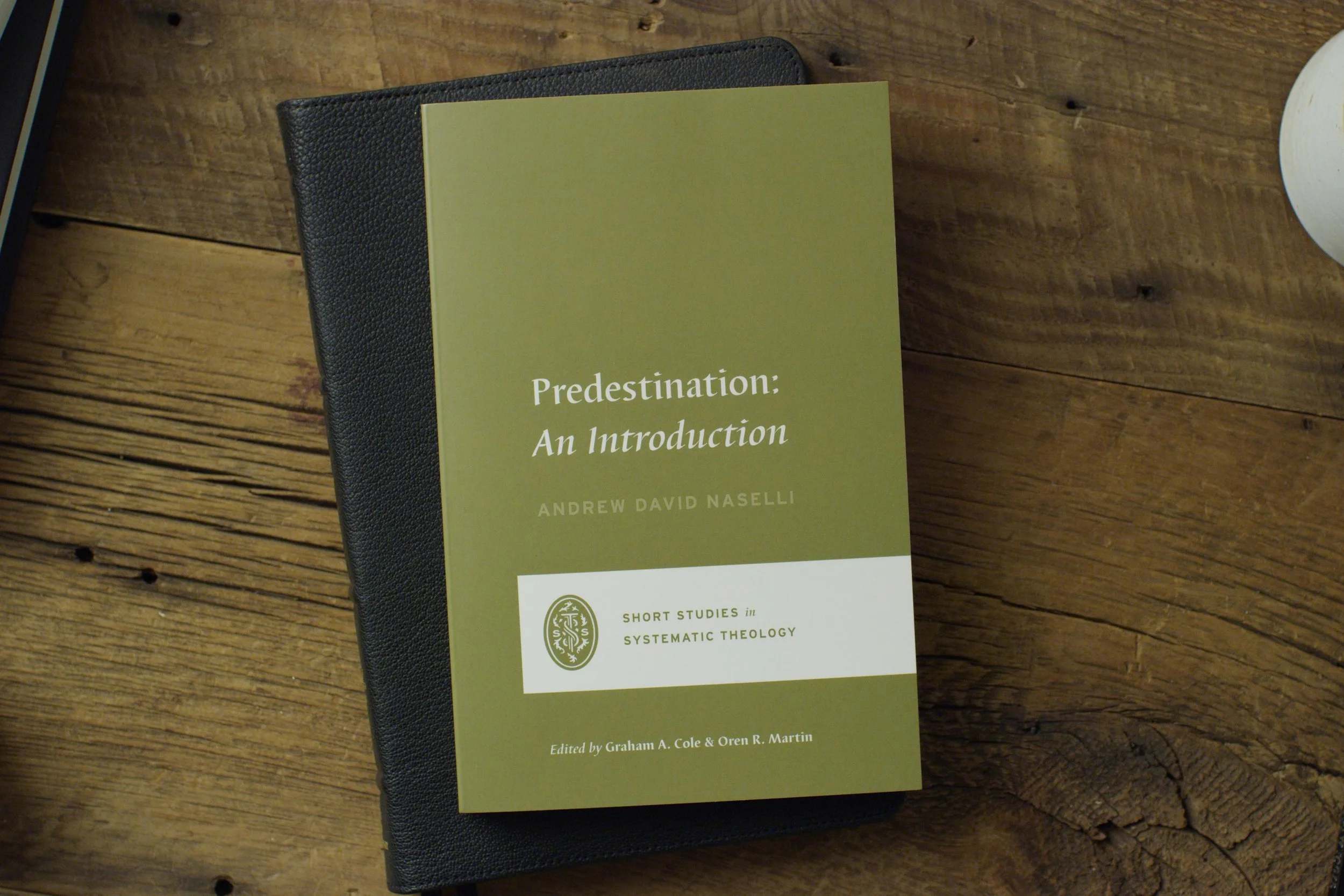
15. Predestination: An Introduction by Andy Naselli
Naselli takes one of the most emotionally loaded doctrines in Scripture and patiently walks readers through it with clear definitions, helpful charts, and a lot of Bible. He explains election and reprobation, anticipates common objections, and refuses to pit God’s sovereignty against real human responsibility. If you want straw-man arguments or shallow exegesis, this isn’t your book. It’s concise without being thin, clear without being glib, and marked by a gentle pastoral tone. A strong on-ramp for those who are wary but willing to study.

16. Leadership and the Sin of Empathy: Compassion and Its Counterfeits by Joe Rigney
Don’t let the title turn you off. Rigney asks a hard but necessary question: Is empathy always a virtue? Just as there is holy and disordered love, or righteous and sinful anger, he argues that untethered empathy can do more harm than good. Biblical compassion, he says, is grounded in truth and obedience, not in sentimental emotion that flatters our self-perception. Whatever your view, Rigney’s book forces the church to think more carefully about how we care with courage and clarity.

17. The Things of Earth: Treasuring God by Enjoying His Gifts by Joe Rigney
An unbelievably joyful book. How do we enjoy God’s gifts without feeling guilty or becoming idolaters? Steering between idolatry and ingratitude, he shows how treasuring God through His good gifts—family, food, art, humor—is profoundly biblical. You can feel Piper’s influence. It’s creative, nuanced, and pastoral. I came away more eager to give thanks, less nervous about delight, and more aware that every good thing is an arrow pointing back to the Giver of good things.
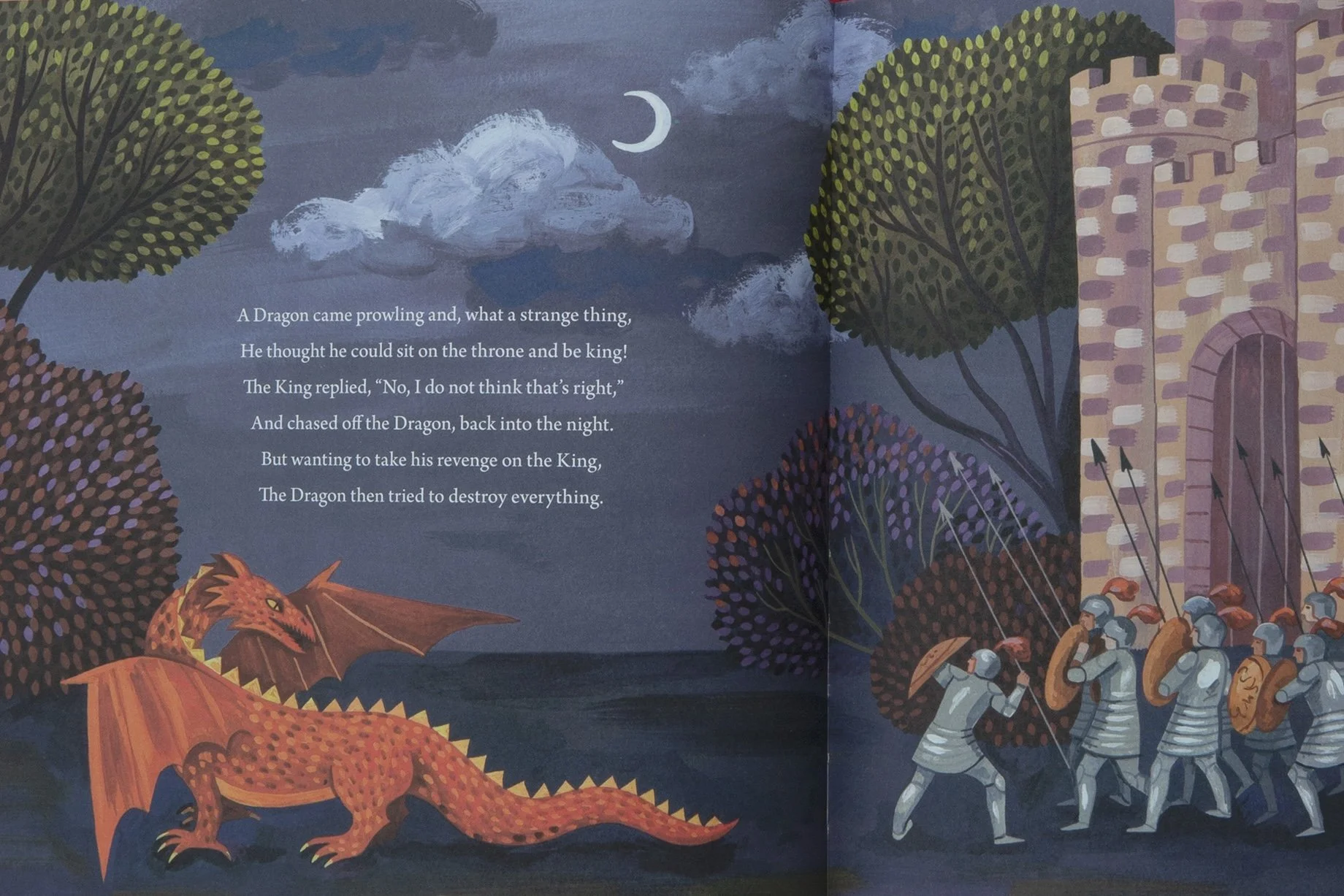
18. The King and the Dragon by James Shrimpton
Okay, it’s a children’s book—but it’s so good it belongs in the top twenty. I’ve read it to my son several times this year. Beautifully illustrated (by Helena Garcia) and written in rhyme. It tells the big story of the gospel for little hearts: a good King, a deadly dragon, and a promised victory. Shrimpton keeps it simple for young kids without dumbing anything down. Parents will hear echoes of Genesis and Revelation as they read. It’s the kind of bedtime story that will naturally lead to questions about sin, rescue, and Jesus—and that’s the best kind of children’s book.

19. Slaying Leviathan: Limited Government and Resistance in the Christian Tradition by Glen Sunshine
Sunshine offers a readable tour of Christian political thought, from Augustine to the Reformers and the American Founders, with a particular focus on resisting unlawful authority and the goodness of limited government. It may surprise Christians formed by instincts toward escapism or pacifism. What he recovers is a long, often-forgotten tradition that asks when—and how—believers may say “no” to the state in order to say “yes” to Christ. As someone who prefers a free church in a free state, I found the book both clarifying and emboldening.
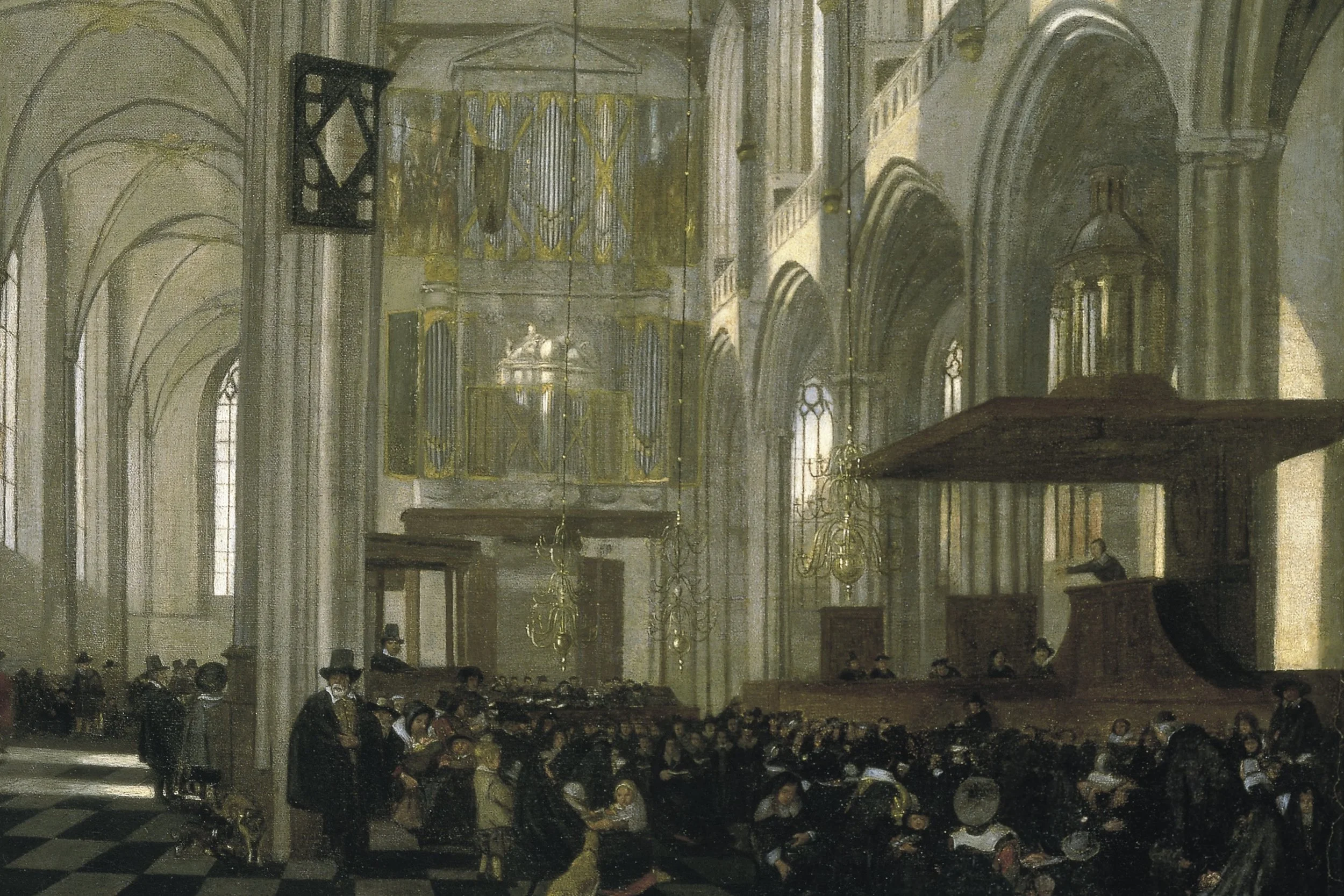
20. Let the Stones Cry Out: Lessons on Architecture and Building A Sanctuary by Doug Wilson
This is pastoral reflection wrapped in architectural theology. Wilson argues that church buildings are never neutral—they either echo the gospel or expose our drift from it. He shows how space, beauty, and worship belong together. In Wilson’s expected tone, there is both provocative and pastoral wisdom. Considering the health and structure of our church, Let the Stones Cry Out was a deeply encouraging and inspiring book on design, fundraising, order-of-service, and more.