
Seven Ways the Psalms Teach Us to Pray
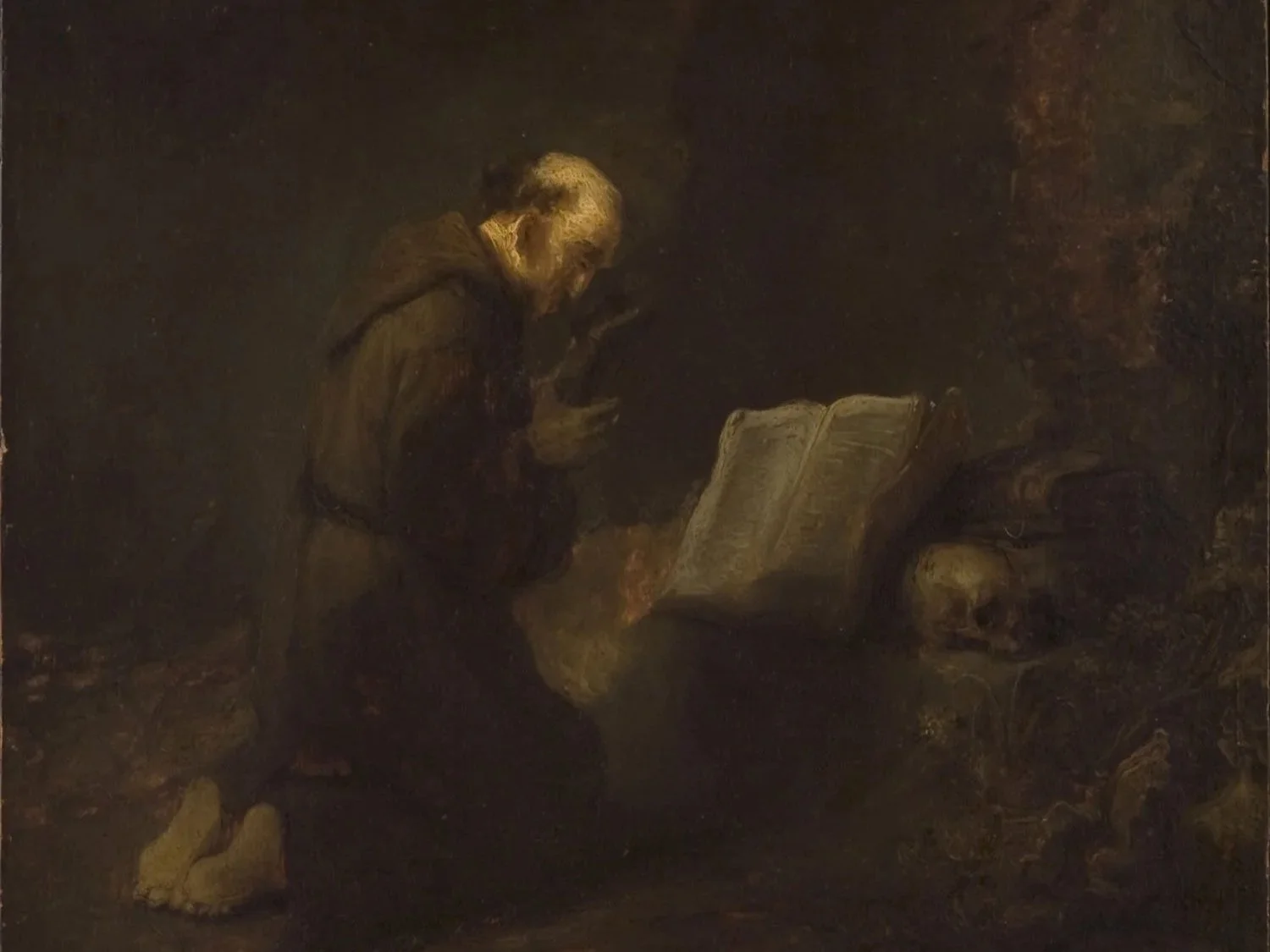
Prayer is an invitation to bring your emotions, ambitions, and opinions to the Lord. In the kaleidoscope of human life—all its complexities and confusion—we have a God who makes a way for all of it. In the same way that God meets all of our needs through Scripture; we can bring all of our needs to God through prayer.
The Psalms provide us with very helpful language for how to pray. Below are seven ways that the psalmist instructs us to pray.
The Prayer of Confession
Confessing is about how we deal with our sin. All have sinned, so we should all have to deal with it. This should humble us, so that’s why I like to start here. We admit that we are broken and needy. When we pray these kinds of prayers, we aren’t harboring sin but exposing it. Psalm 51:1-4 gives us language for confession: “Have mercy on me, O God, according to your steadfast love; according to your abundant mercy blot out my transgressions. Wash me thoroughly from my iniquity, and cleanse me from my sin! For I know my transgressions, and my sin is ever before me. Against you, you only, have I sinned and done what is evil in your sight, so that you may be justified in your words and blameless in your judgment.” We bring our sin before God and ask him to forgive us.
The Prayer of Lamentation
Lamenting is about how we deal with our sadness. I don’t have to convince you that we live in a sinful world. Injustice, suffering, and sorrow. Prayers of lamentation allow us to sit with God, our holy counselor, and feel deeply. Psalm 88:3-7 gives us biblical words for our lamenting: “For my soul is full of troubles, and my life draws near to Sheol. I am counted among those who go down to the pit; I am a man who has no strength, like one set loose among the dead, like the slain that lie in the grave, like those whom you remember no more, for they are cut off from your hand. You have put me in the depths of the pit, in the regions dark and deep. Your wrath lies heavy upon me, and you overwhelm me with all your waves. Selah.” We bring our sorrow before God and ask him to comfort us.
The Prayer of Imprecation
Imprecating is about how we deal with our anger. This may be the most uncommon and unpopular kind of prayer. But praise God for giving us a way to deal with it rightly. Rather than seeking vengeance on our own, we give it to the Lord. Psalm 69:24-28 gives us a sharp example of righteous imprecation: “Pour out your indignation upon them, and let your burning anger overtake them. May their camp be a desolation; let no one dwell in their tents. For they persecute him whom you have struck down, and they recount the pain of those you have wounded. Add to them punishment upon punishment; may they have no acquittal from you. Let them be blotted out of the book of the living; let them not be enrolled among the righteous.” We bring our anger before God and ask him to deal justly with it.
The Prayer of Intercession
Interceding is about how we deal with our compassion. The Christian life is not private or individualistic; it is corporate and communal. Through intercession, we can pray for one another. Psalm 20:1-3 gives us an example of praying on behalf of another: “May the LORD answer you in the day of trouble! May the name of the God of Jacob protect you! May he send you help from the sanctuary and give you support from Zion! May he remember all your offerings and regard with favor your burnt sacrifices! Selah.” We bring others before God and ask him to bless them.
The Prayer of Supplication
Supplicating is about how we deal with our needs. This is probably the most common prayer we use. By nature, we are selfish and self-seeking, however, we shouldn’t stop praying for our needs. Who else should we go to for help? Well, the Lord alone. Psalm 86:1-5 shows us how to come to the Lord with request: “Incline your ear, O LORD, and answer me, for I am poor and needy. Preserve my life, for I am godly; save your servant, who trusts in you—you are my God. Be gracious to me, O Lord, for to you do I cry all the day. Gladden the soul of your servant, for to you, O Lord, do I lift up my soul. For you, O Lord, are good and forgiving, abounding in steadfast love to all who call upon you.” We bring our requests to God and ask him to provide for us.
The Prayer of Thanksgiving
Thanksgiving is about how we deal with our gifts. Let us not forget all of the ways God has already provided for us. The breath in our lungs, the clothes on our back, the friends in our life, the memories, the pleasures, and salvation. Too often, our prayers are stuck in supplication and never get to thanksgiving. Psalm 9:1-2 helps give language to our thanksgiving: “I will give thanks to the LORD with my whole heart; I will recount all of your wonderful deeds. I will be glad and exult in you; I will sing praise to your name, O Most High.” We bring our gifts to God and thank him for them.
The Prayer of Adoration
Adoring is about how we deal with our God. Finally, but most importantly, we ought to adore God. There is no one like him. He is the sovereign God of all creation. He is the savior of the world. He is the giver of life. He is the corrector of wrongs. He is the healer of wounds. There is no one like God. Therefore, we ought to praise him. Psalm 145:1-3 is a perfect example of this: “I will extol you, my God and King, and bless your name forever and ever. Every day I will bless you and praise your name forever and ever. Great is the LORD, and greatly to be praised, and his greatness is unsearchable.” We spend a moment and thank God for who he is and what he’s done.
A Praying Life
The question I want to ask now is how often should we pray? The Bible gives us all sorts of answers. Matthew 6 says to pray daily. Daniel 6 says three times a day. Psalm 119 says seven times a day. So, how often is it? 1 Thessalonians 5:17 tells us to “pray without ceasing”. To pray without ceasing means to pray deeply and often.
There is a difference between a normal life and a praying life. A normal life tries to fit prayer in with every other activity. If you were to budget your time, 10% would go to ten different things, one of which would be prayer. There is no way we could “pray without ceasing” in the normal life. But if we viewed prayer not as another thing to spend time doing, but as the thing that saturates everything we do. At all times, we pray. We pray during family time, we pray while at work, we pray when we’re driving, we pray during practice, etc. We must live a prayerful life.
To bathe every action, ambition, emotion, and opinion in prayer. When you wake up, thank God. When you walk downstairs, ask for help. When you make your coffee, thank him again. When you brush your teeth, pray about your worries. When you’re driving to work, pray for your conversations. In everything, we ought to depend on the Sovereign God in prayer.